Table of Contents
- Match Uniforms to Concept, Not Just Color
- Role Breakdown: Host, Waiter, Sommelier, Kitchen
- Durability and Stain Management
- Brand Groups and Multi-City Rollouts
- Equip European Dining Teams with Roberto Uniform
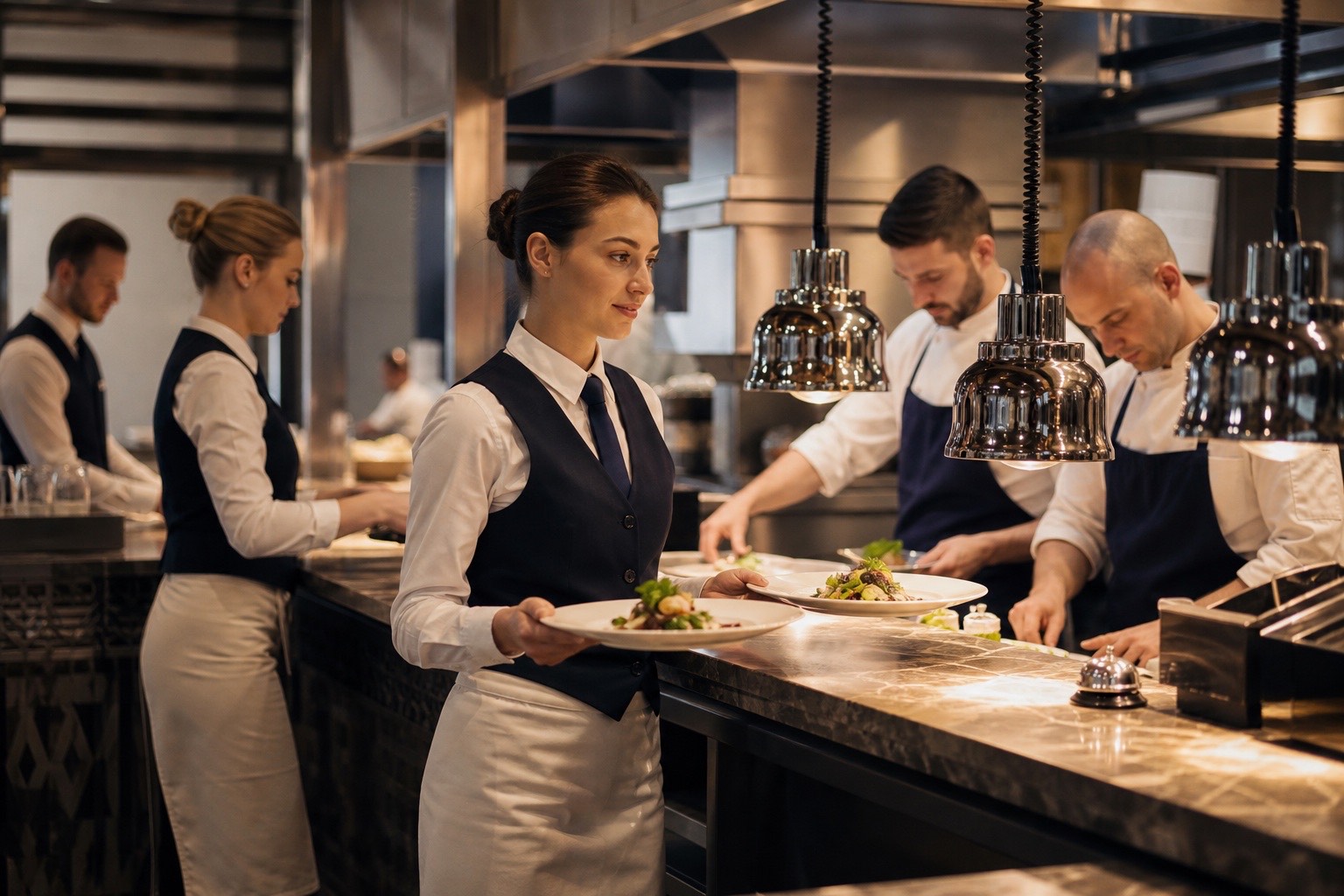
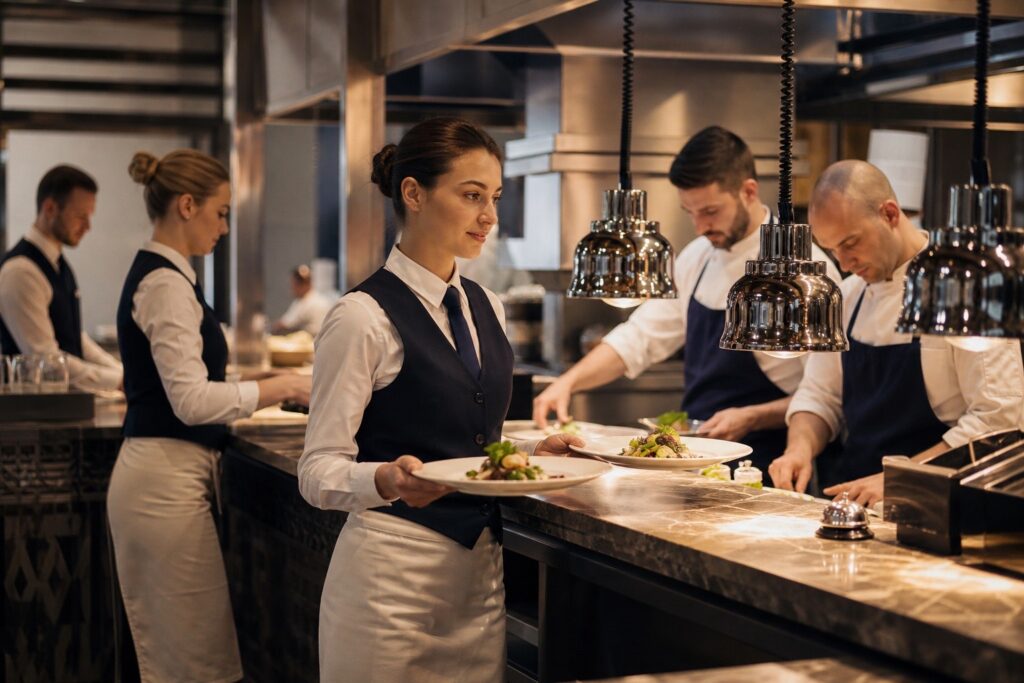
Across Europe’s dining capitals, uniforms are part of the concept. Restaurant staff uniforms Europe chefs de cuisine and F&B directors approve must match the room’s ambition — whether Michelin-facing formality or neighborhood bistro energy — while surviving commercial laundry reality. Guests notice polish in the first thirty seconds of service, and operators notice fabric failure after thirty washes. The brief has to satisfy both.
European hotel restaurants, standalone fine dining rooms, and multi-outlet groups also share a hygiene context: staff clothing sits next to food handling, tray service, and open kitchens. Guidance on food safety culture from organizations such as the World Health Organization’s food safety overview reinforces why cleanable, well-maintained service wear is operational infrastructure, not only branding.
Match Uniforms to Concept, Not Just Color
Define the service story first, then choose garments. Restaurant staff uniforms Europe programs work best when front-of-house and kitchen share a deliberate relationship without forcing identical fabrics. A tasting-menu room may need crisp shirts, waistcoats, and dark trousers; a lively brasserie may prefer softer shirts and branded aprons that photograph well under warmer light.
Write a one-page concept brief covering silhouette formality, color story, embroidery size, and apron policy before you request samples. Start with hotel restaurant uniforms and kitchen staff uniforms, then note where the concept needs a custom trim or lining. Color alone rarely carries brand identity — fabric hand-feel, collar structure, and accessory discipline do.
Role Breakdown: Host, Waiter, Sommelier, Kitchen
Hosts need approachable polish for greetings and seating; waiters need freedom of movement for trays and tableside service; sommeliers may need distinctive formal cues without looking theatrical; kitchens need heat protection, coverage, and stain management. Map each role to a minimum garment set so purchasing does not invent styles mid-project.
Document footwear color rules, name-badge placement, and whether jackets stay on during peak service. See also hotel chef uniforms for brigade standards that keep back-of-house looking intentional when the pass is guest-visible.
Durability and Stain Management
European high-volume restaurants punish fabrics. Specify colorfast blacks and navy, reinforced stress points at elbows and seams, and apron strategies that protect core garments during service peaks. Ask suppliers for industrial laundry wash-cycle expectations, not only domestic care claims.
Build a replacement ratio into the order: spare shirts and aprons fail faster than jackets. Label garments by outlet when laundry is shared across restaurants in the same hotel, so a fine-dining shirt does not quietly migrate into breakfast service.
Brand Groups and Multi-City Rollouts
For groups spanning Paris, Milan, and Berlin, lock embroidery files and fabric articles centrally. Adapt only silhouettes that local concepts truly need — guided by custom uniform principles. Centralizing fabric SKUs reduces shade variation when reorders arrive months later.
Create a simple brand bible page for F&B uniforms: approved colors, forbidden substitutes, embroidery placement diagrams, and photos of correct versus incorrect wear. Training managers with visual standards cuts guest-facing inconsistency faster than another email reminder.
Service Rhythm, Laundry Reality, and Guest Photography
European dining rooms now live on guest photography as much as on critic reviews. Waiter jackets, aprons, and shirts appear in social posts within minutes of service. That means fabric sheen, collar structure, and embroidery cleanliness are marketing assets, not only operational details. Specifying matte, camera-friendly fabrics can prevent unwanted glare under spotlights while still reading formal to the naked eye.
Align laundry cycles with service rhythm. Double sittings and late banquet turnovers leave little recovery time between washes. Build inventory so each waiter has enough shirts for peak weeks without rotating visibly tired garments onto the floor. Train supervisors to remove stained items immediately rather than hoping a quick wipe restores presentation. Finally, schedule quarterly uniform audits the same way you audit china and glassware — because guests judge the whole table story, including the people serving it.
When groups operate both hotel restaurants and standalone concepts, keep purchasing rules written. Shared suppliers help, but shared confusion does not. Outlet managers should know which items they can reorder independently and which require brand approval. That discipline protects multi-city consistency while still allowing a sommelier tie or apron detail that signals specialist expertise.
Equip European Dining Teams with Roberto Uniform
Roberto Uniform supplies hotel and restaurant staff uniforms for European dining brands, with sampling support and production planning for openings and renovations. Share concept photos, outlet list, and opening dates so lead times protect service launch. Talk to procurement support.